Sri Lanka, a land steeped in history and spiritual traditions, is home to a wealth of historic and religious sites that span centuries of civilization and culture. From ancient cities and majestic temples to sacred pilgrimage sites, the island offers a treasure trove of places that reveal its rich heritage. Whether you’re a history enthusiast or a spiritual seeker, these sites will provide profound insight into Sri Lanka’s past and its religious diversity. Here’s a guide to the most significant historic and religious sites in Sri Lanka, their importance, and what to do and see as a tourist.
1. Sigiriya Rock Fortress
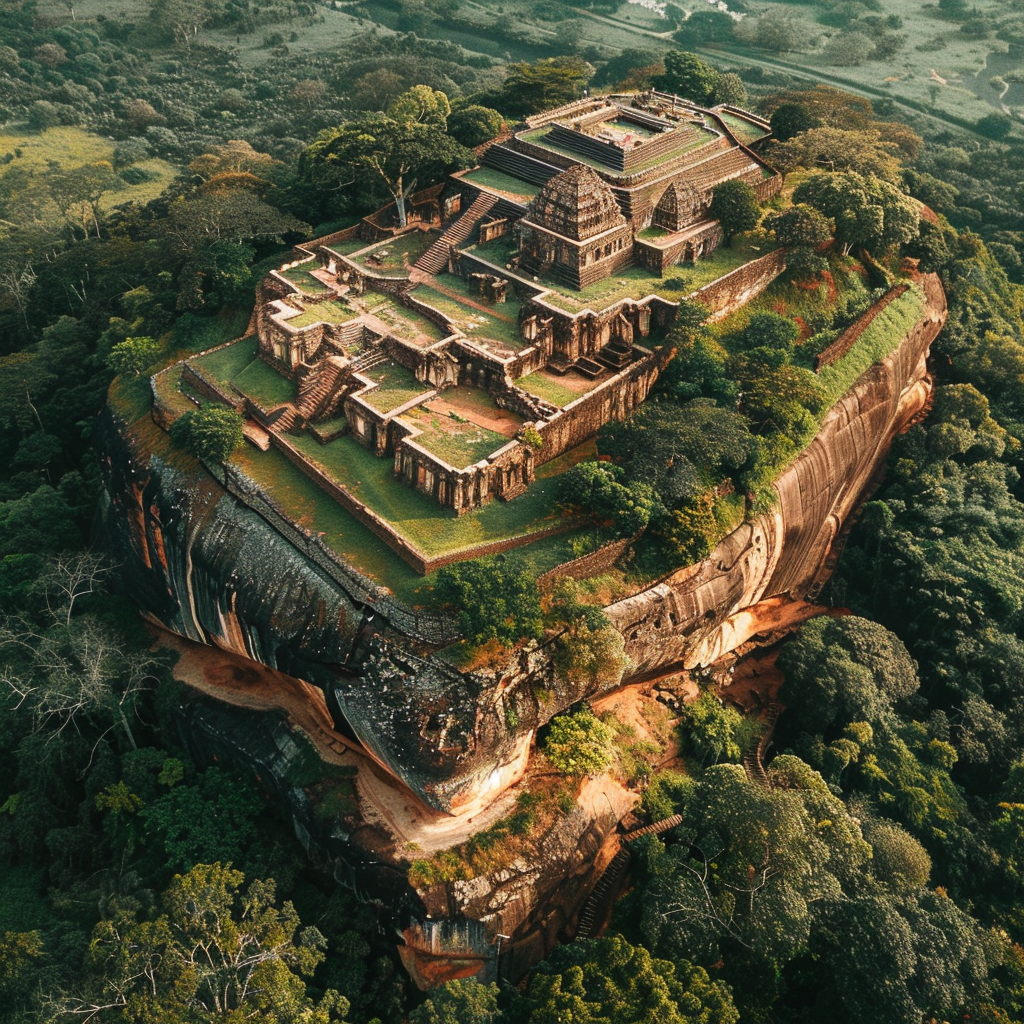
Sigiriya, also known as the Lion Rock, is one of Sri Lanka’s most iconic landmarks. This ancient rock fortress, built in the 5th century by King Kasyapa, rises majestically from the surrounding jungle and is a UNESCO World Heritage Site.
- Importance: Sigiriya served as a royal palace and fortress, surrounded by intricate gardens, reservoirs, and frescoes. It’s a symbol of the island’s ancient engineering prowess and cultural sophistication.
- What to Do: Climb the 200-meter rock to explore the remnants of the palace complex, including the famous frescoes of celestial maidens and the giant lion’s paws at the entrance. The summit offers breathtaking panoramic views of the surrounding landscape, making the climb worth the effort.
2. Anuradhapura
Anuradhapura is the ancient capital of Sri Lanka and one of the oldest continuously inhabited cities in the world. It was the center of the island’s political and religious life for over a millennium and is now a UNESCO World Heritage Site.
- Importance: The city is home to several significant Buddhist sites, including the Sri Maha Bodhi (a sacred fig tree grown from a cutting of the original Bodhi tree under which the Buddha attained enlightenment) and massive stupas like Ruwanwelisaya and Jetavanaramaya.
- What to Do: Wander through the ancient ruins of palaces, monasteries, and temples. Pay your respects at the Sri Maha Bodhi, which is a pilgrimage site for Buddhists worldwide. Don’t miss the Abhayagiri and Jetavanaramaya stupas, two of the tallest ancient structures in the world.
3. Polonnaruwa
Polonnaruwa, another ancient capital of Sri Lanka, flourished during the 11th and 12th centuries. Today, it stands as an archaeological wonder with beautifully preserved ruins and a testimony to Sri Lanka’s golden age of art and architecture.
- Importance: Polonnaruwa is home to the Gal Vihara, a group of rock-cut Buddha statues that are among the finest examples of ancient Sinhalese sculpture. The city also boasts impressive royal palaces, temples, and irrigation systems.
- What to Do: Explore the ancient city’s ruins by bicycle or on foot. Visit the Gal Vihara statues and the Parakrama Samudraya, a vast reservoir built by King Parakramabahu. The city’s museum provides detailed context about the historical significance of the ruins.
4. Dambulla Cave Temple
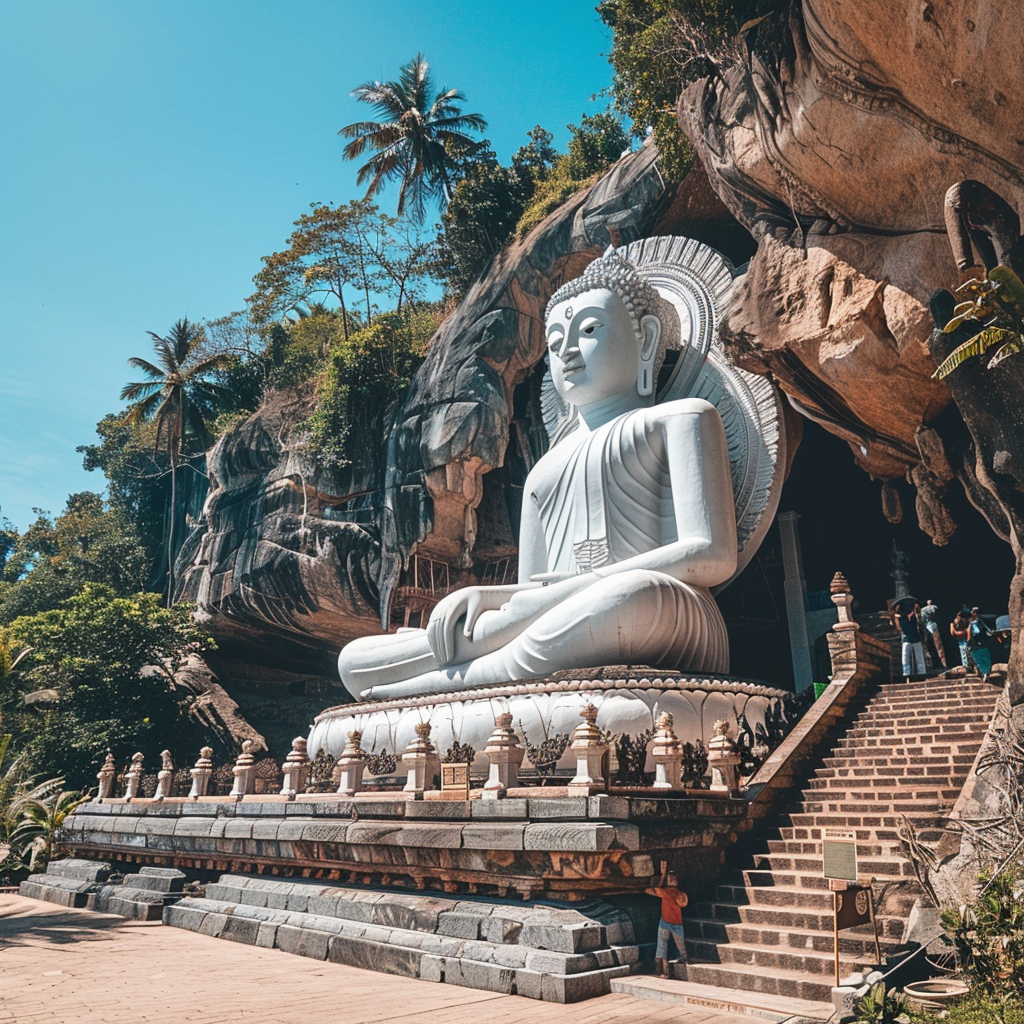
The Dambulla Cave Temple, also known as the Golden Temple of Dambulla, is a UNESCO World Heritage Site and one of Sri Lanka’s best-preserved cave temple complexes. It has been a place of worship for over 2,000 years.
- Importance: The temple consists of five caves that are adorned with over 150 statues of the Buddha, along with stunning murals that depict scenes from the Buddha’s life. It has been a pilgrimage site for centuries and holds immense religious importance.
- What to Do: As a tourist, you can explore the caves, marvel at the intricate paintings and sculptures, and take in the panoramic views of the surrounding plains from the top of the temple complex. The peaceful atmosphere makes it a perfect place for quiet reflection and meditation.
5. Temple of the Sacred Tooth Relic (Sri Dalada Maligawa)
Located in the heart of Kandy, the Temple of the Sacred Tooth Relic is one of the most revered Buddhist temples in the world. It houses a sacred tooth relic of the Buddha, making it a key pilgrimage site for Buddhists.
- Importance: The temple has played a central role in Sri Lankan politics and religion for centuries. It is believed that whoever holds the relic has the divine right to rule the island. The temple complex is also part of the UNESCO-listed Sacred City of Kandy.
- What to Do: Visit during the daily rituals to witness traditional drumming and offerings made to the sacred relic. If you’re in Kandy during July or August, attend the grand Esala Perahera, a vibrant procession featuring dancers, drummers, and elephants parading through the streets in honor of the relic.
6. Mihintale
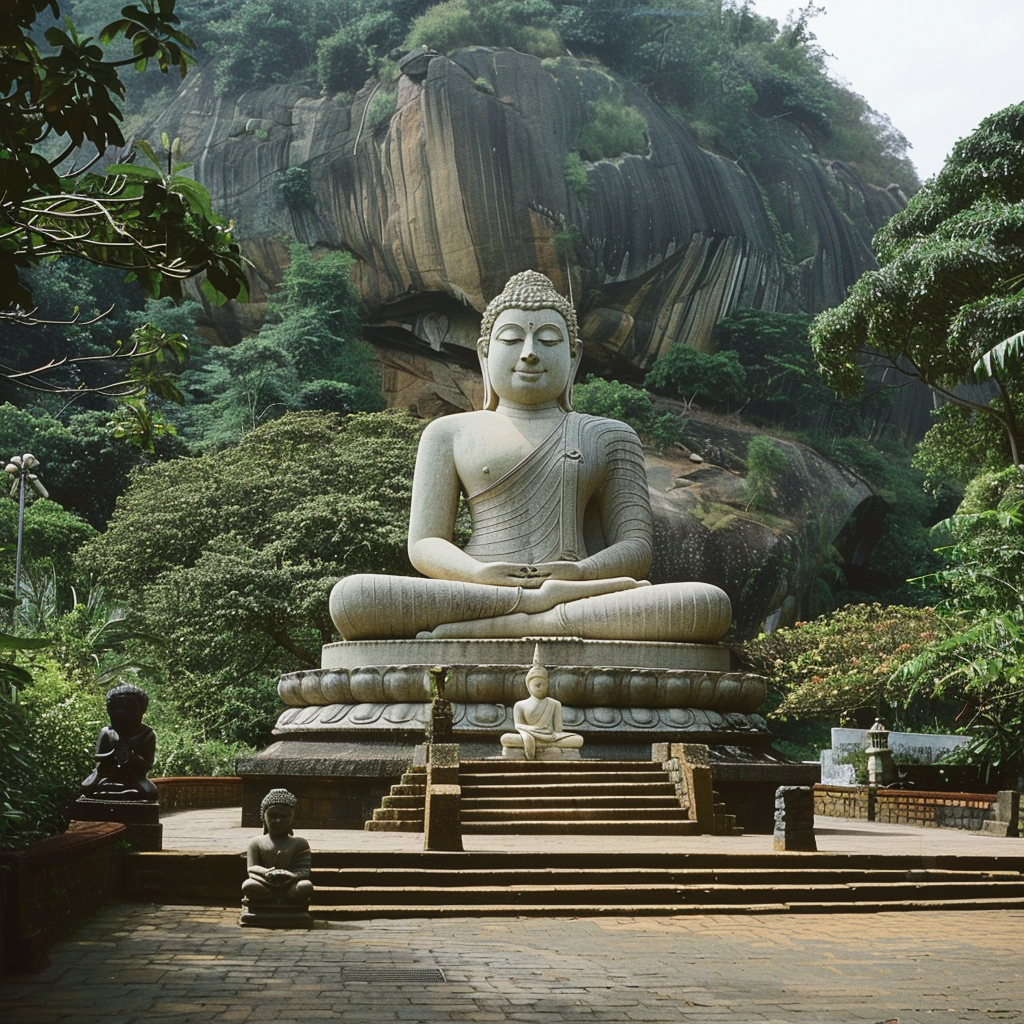
Mihintale is regarded as the cradle of Buddhism in Sri Lanka, where the Indian missionary monk Mahinda met King Devanampiyatissa in 247 BC and introduced the teachings of Buddhism to the island.
- Importance: This site is considered the birthplace of Buddhism in Sri Lanka and is a major pilgrimage site. Mihintale is also home to a number of ancient ruins, including stupas, monastic caves, and statues, all set against a backdrop of natural beauty.
- What to Do: Climb the 1,840 steps to the summit of Mihintale for panoramic views of the surrounding countryside. Along the way, visit the historic ruins, including the Kantaka Chetiya stupa and the meditation caves used by monks.
7. Ruwanwelisaya
The Ruwanwelisaya is one of the most revered stupas in Sri Lanka and is located in the ancient city of Anuradhapura. It was built by King Dutugemunu in 140 BC and stands as a symbol of the king’s devotion to Buddhism.
- Importance: The stupa is an architectural marvel, standing 103 meters tall and encircled by 344 elephant statues. It is considered a significant pilgrimage site for Buddhists, as it enshrines sacred relics of the Buddha.
- What to Do: As a tourist, you can admire the grandeur of the stupa and witness the devotion of the pilgrims who visit the site daily. The serene atmosphere around Ruwanwelisaya makes it a place for contemplation and spiritual connection.
8. Jaya Sri Maha Bodhi
The Jaya Sri Maha Bodhi in Anuradhapura is one of the most sacred trees in the world, grown from a sapling of the original Bodhi tree under which the Buddha attained enlightenment.
- Importance: Planted in 288 BC, it is the oldest living human-planted tree with a documented history. It remains a focal point of Buddhist worship, with pilgrims from around the world visiting to pay their respects.
- What to Do: Visitors can offer flowers and prayers to the Bodhi tree while experiencing the deep spiritual atmosphere of the site. Walking around the precincts of the tree is an important ritual for Buddhists seeking blessings.
9. Kelaniya Raja Maha Vihara
The Kelaniya Temple, located near Colombo, is one of the most important Buddhist temples in Sri Lanka. It is believed that the Buddha visited this site during his third and final visit to the island.
- Importance: The temple is renowned for its stunning murals painted by the famous Sri Lankan artist Solias Mendis. These murals depict the life of the Buddha and events from Sri Lankan history. Kelaniya is also a key site during the annual Duruthu Perahera, a grand procession held in January.
- What to Do: Explore the temple’s serene courtyards and admire the intricate murals that adorn its walls. If you visit during the Duruthu Perahera, you can witness a grand cultural pageant featuring dancers, drummers, and decorated elephants.
10. Galle Fort
Galle Fort is a historic fortification built by the Portuguese in the 16th century and later expanded by the Dutch. It is a UNESCO World Heritage Site and one of the best-preserved colonial-era fortresses in Asia.
- Importance: Galle Fort represents Sri Lanka’s colonial history and is a unique blend of European architecture and South Asian traditions. Within its walls, you’ll find a vibrant mix of churches, mosques, museums, and boutique shops.
- What to Do: Walk along the ramparts of the fort, visit the Galle Lighthouse, and explore the charming cobblestone streets lined with colonial-era buildings. The fort also offers stunning views of the Indian Ocean, making it an ideal place to watch the sunset.