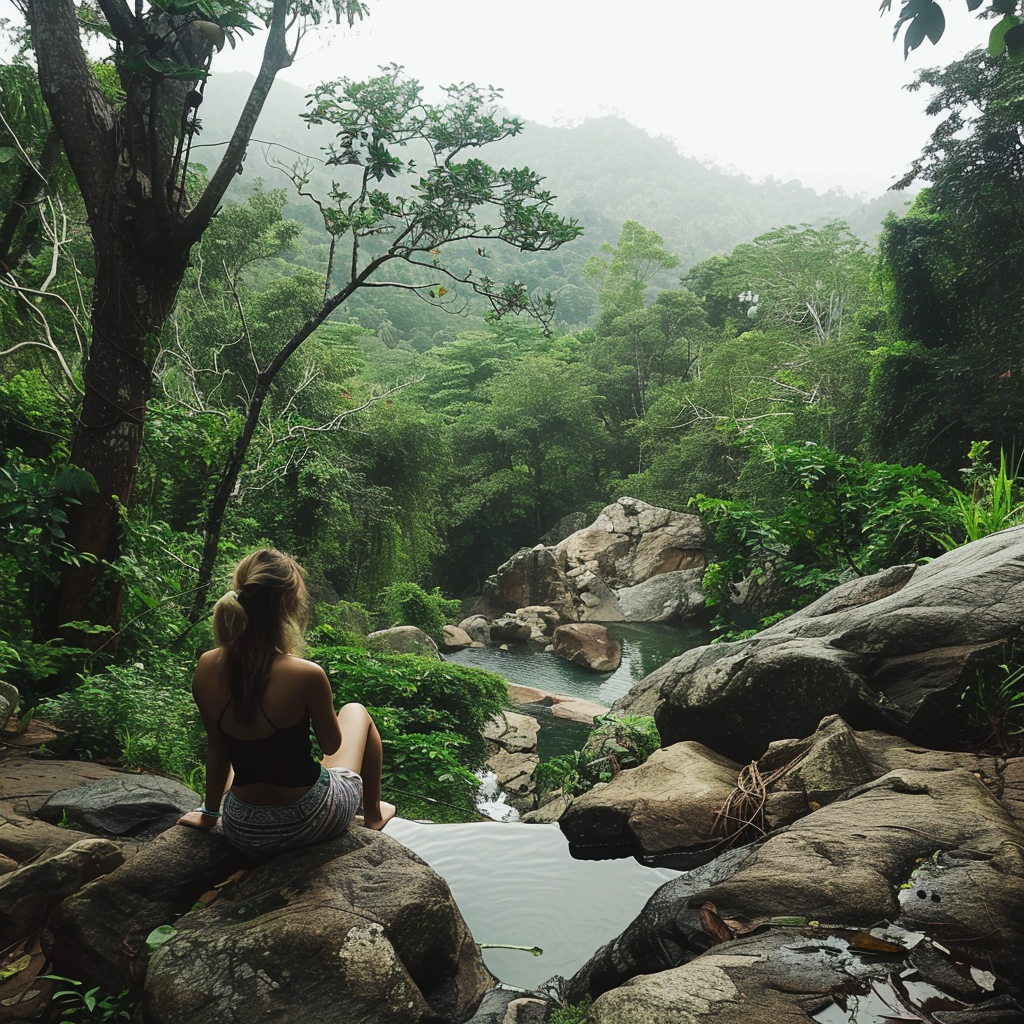
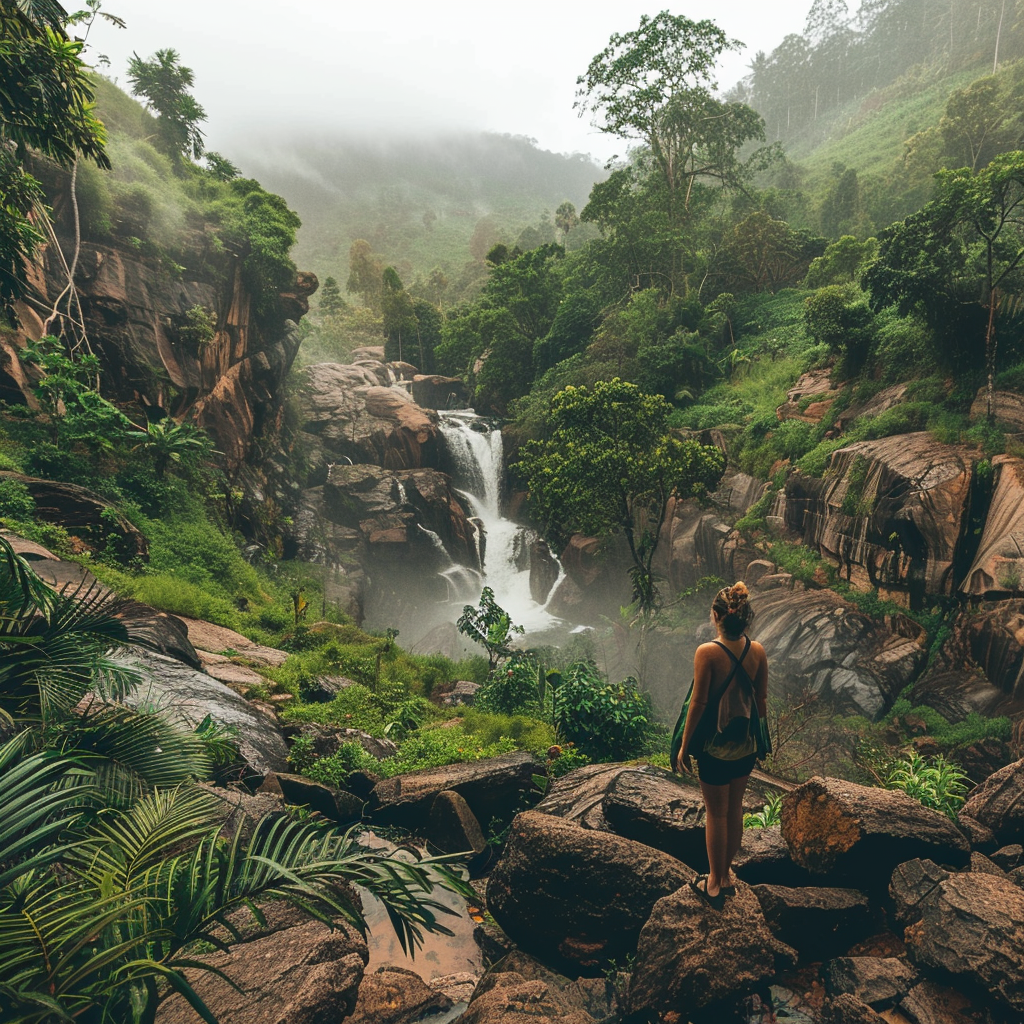
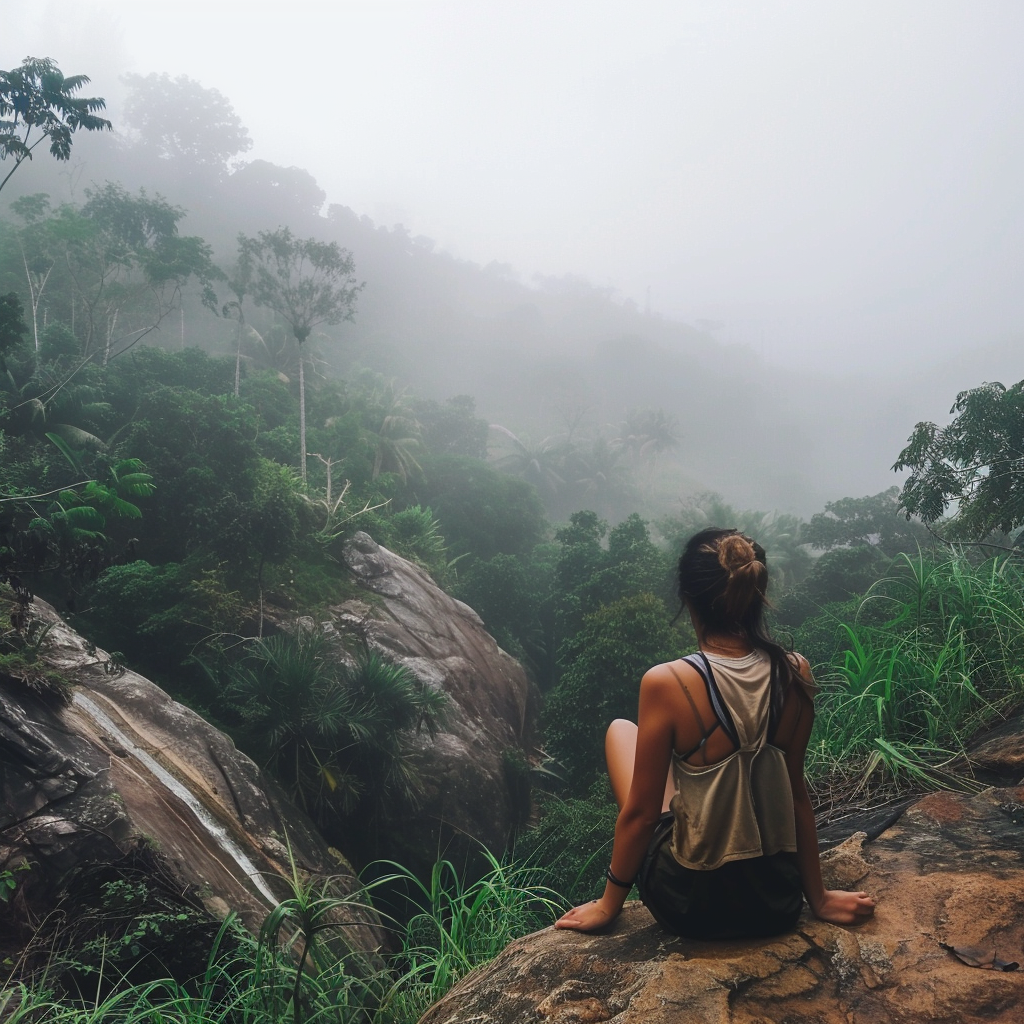
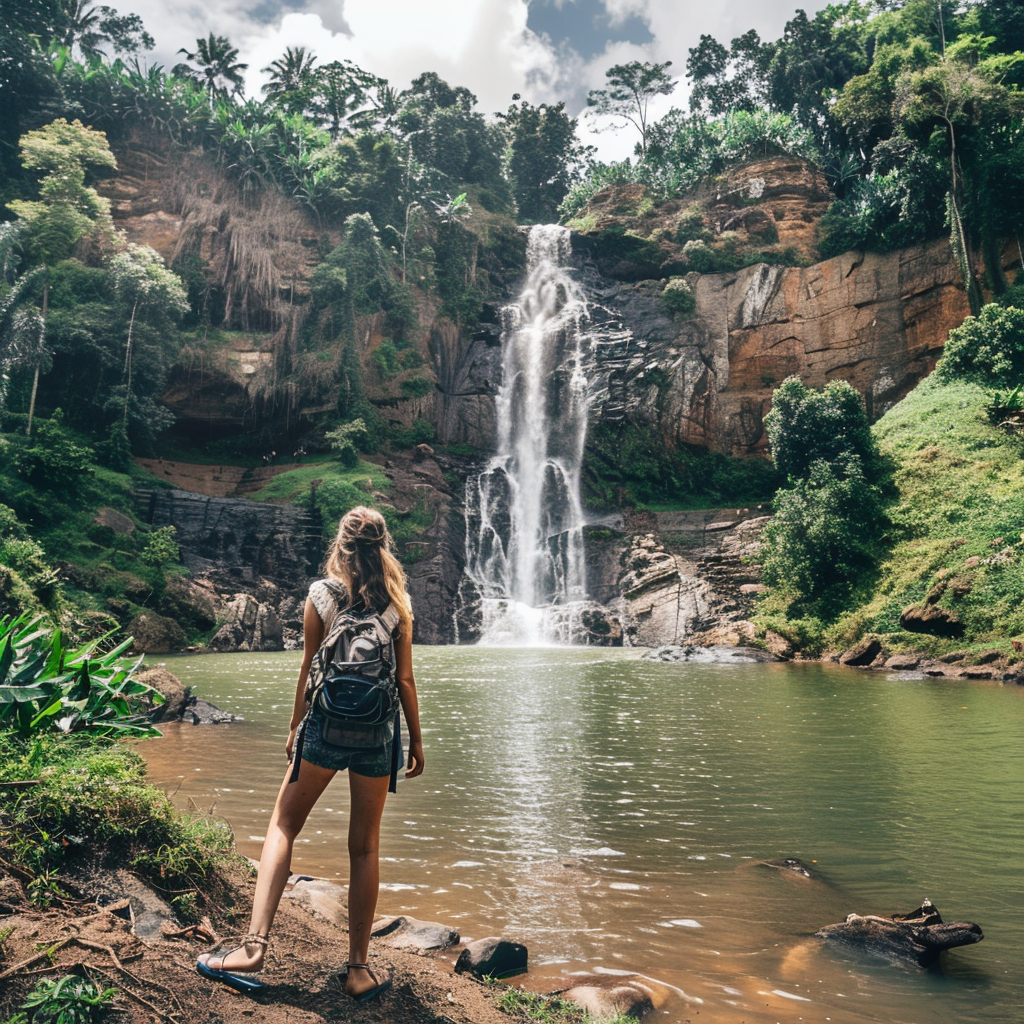
Sri Lanka, with its rich biodiversity and varied landscapes, offers some of the most stunning trekking experiences in South Asia. From misty mountain peaks to dense rainforests, the island’s trails are a haven for nature lovers and adventure enthusiasts alike. Here’s a guide to the most popular trekking trails in Sri Lanka, with a brief description of each place, its significance, and what to expect as a tourist.
1. Adam’s Peak (Sri Pada)
Located in the central highlands, Adam’s Peak is one of Sri Lanka’s most sacred and well-known trekking spots. This cone-shaped mountain is famous for the “Sri Pada” or the Sacred Footprint, which Buddhists believe to be that of Lord Buddha, while other religions attribute it to different deities.
- Importance: It is a pilgrimage site for Buddhists, Hindus, Christians, and Muslims. During the pilgrimage season (December to May), thousands of devotees and travelers make the nighttime trek to witness the sunrise from the summit.
- What to Do: Trek to the top of Adam’s Peak, which involves ascending over 5,000 steps. At the summit, witness the iconic sunrise and the shadow of the mountain cast over the valley. The spiritual atmosphere and panoramic views make this an unforgettable experience.
2. Horton Plains and World’s End
Horton Plains National Park is a UNESCO World Heritage Site known for its unique cloud forests and diverse wildlife. The World’s End cliff, located within Horton Plains, offers breathtaking views and is one of the most dramatic drop-offs in Sri Lanka.
- Importance: Horton Plains is home to endemic species such as the Sri Lankan leopard and purple-faced langur. The park’s biodiversity and unique ecosystem make it a hotspot for nature lovers.
- What to Do: The main trekking trail takes you through grasslands and forests, leading to World’s End, where a sheer drop of 870 meters offers a spectacular view of the tea plantations below. Visit Baker’s Falls along the route for a scenic detour.
3. Knuckles Mountain Range
Named after its resemblance to a clenched fist, the Knuckles Mountain Range is a UNESCO World Heritage Site located in central Sri Lanka. It’s an off-the-beaten-path destination known for its remote beauty and biodiversity.
- Importance: The range is home to a variety of ecosystems, from montane forests to grasslands, and is inhabited by many endemic species of flora and fauna.
- What to Do: Trek through lush forests, tea plantations, and isolated villages. The trails vary from easy walks to challenging multi-day treks, offering hikers waterfalls, viewpoints, and a chance to interact with local communities.
4. Ella Rock
Ella, located in the central highlands, is a small town that has gained popularity due to its stunning views and trekking opportunities. The most famous of these is the trek to Ella Rock, which offers panoramic vistas of the surrounding hills and valleys.
- Importance: The Ella Rock hike is a relatively short but rewarding trek that gives travelers a taste of Sri Lanka’s natural beauty without being too strenuous.
- What to Do: Hike through tea plantations, eucalyptus forests, and past small villages to reach the summit of Ella Rock. The view from the top is breathtaking, especially during sunrise or sunset. Nearby attractions include Nine Arches Bridge and Little Adam’s Peak, which also offer great hiking experiences.
5. Sinharaja Rainforest
Sinharaja Forest Reserve, a UNESCO World Heritage Site, is one of the last remaining primary rainforests in Sri Lanka. This dense jungle is a treasure trove of biodiversity, home to rare species of birds, butterflies, and reptiles.
- Importance: Sinharaja is recognized globally for its rich biodiversity, making it an essential site for environmental conservation and a paradise for eco-tourists.
- What to Do: Trek through the dense rainforest, where you’ll encounter towering trees, cascading waterfalls, and a variety of wildlife, including endemic bird species such as the Sri Lankan blue magpie. Guided tours are recommended due to the dense vegetation and the chance to spot wildlife.
6. Pidurangala Rock
Located near the iconic Sigiriya Rock Fortress, Pidurangala Rock is a lesser-known but equally spectacular trekking destination. Though it requires a relatively short hike, the view from the top of Pidurangala offers a unique perspective of Sigiriya.
- Importance: While Sigiriya has historical significance as an ancient fortress, Pidurangala was used as a monastery, and the hike takes you past remnants of ancient temples and statues.
- What to Do: After a 30-minute climb through rocky terrain, visitors are rewarded with a panoramic view of the surrounding jungle and a stunning sight of Sigiriya Rock. It’s a perfect spot for sunrise or sunset viewing, offering a quieter alternative to the more tourist-heavy Sigiriya.
7. Belihuloya and Horton Plains Loop
Located in the Sabaragamuwa Province, Belihuloya is a great base for trekking in the central highlands. This region is known for its scenic beauty, where lush forests meet fertile valleys and rivers.
- Importance: Belihuloya offers access to the less-visited side of the Horton Plains and is ideal for eco-tourists and trekkers looking to escape the crowds.
- What to Do: Hike through pine forests, farmlands, and tea plantations. Treks can take you to waterfalls, hidden caves, and small rural villages. For more experienced trekkers, longer hikes lead to the Horton Plains National Park.
8. Diyaluma Falls Trek
Diyaluma Falls is the second tallest waterfall in Sri Lanka, located near the town of Ella. The falls are a popular trekking destination due to the stunning views and natural infinity pools at the top.
- Importance: Diyaluma is not just a majestic waterfall; it’s also a unique experience for trekkers looking for a mix of adventure and relaxation.
- What to Do: Trek to the top of the falls for a refreshing swim in the natural pools. The view from the top, overlooking the lush landscape, is truly spectacular. The trek is moderate and can be done in a day.
9. Yala National Park
While Yala National Park is primarily known for its safari experiences, the park also offers trekking opportunities, especially in the less explored areas surrounding the main reserve.
- Importance: Yala is famous for its wildlife, particularly the high density of leopards, as well as elephants, sloth bears, and various bird species.
- What to Do: Take a guided trek along the park’s boundaries or explore the nearby buffer zones, where you can witness Sri Lanka’s rich biodiversity. After trekking, enjoy a safari to experience Yala’s wildlife up close.