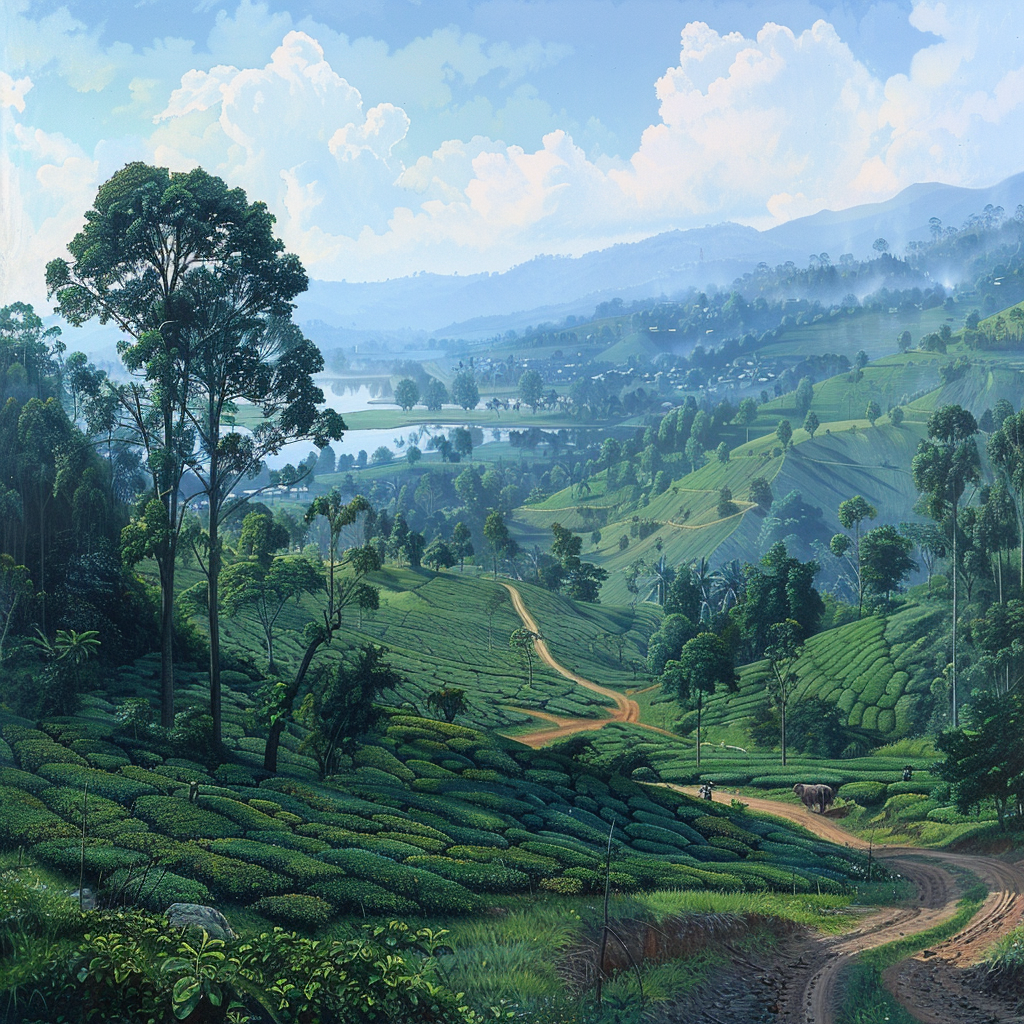
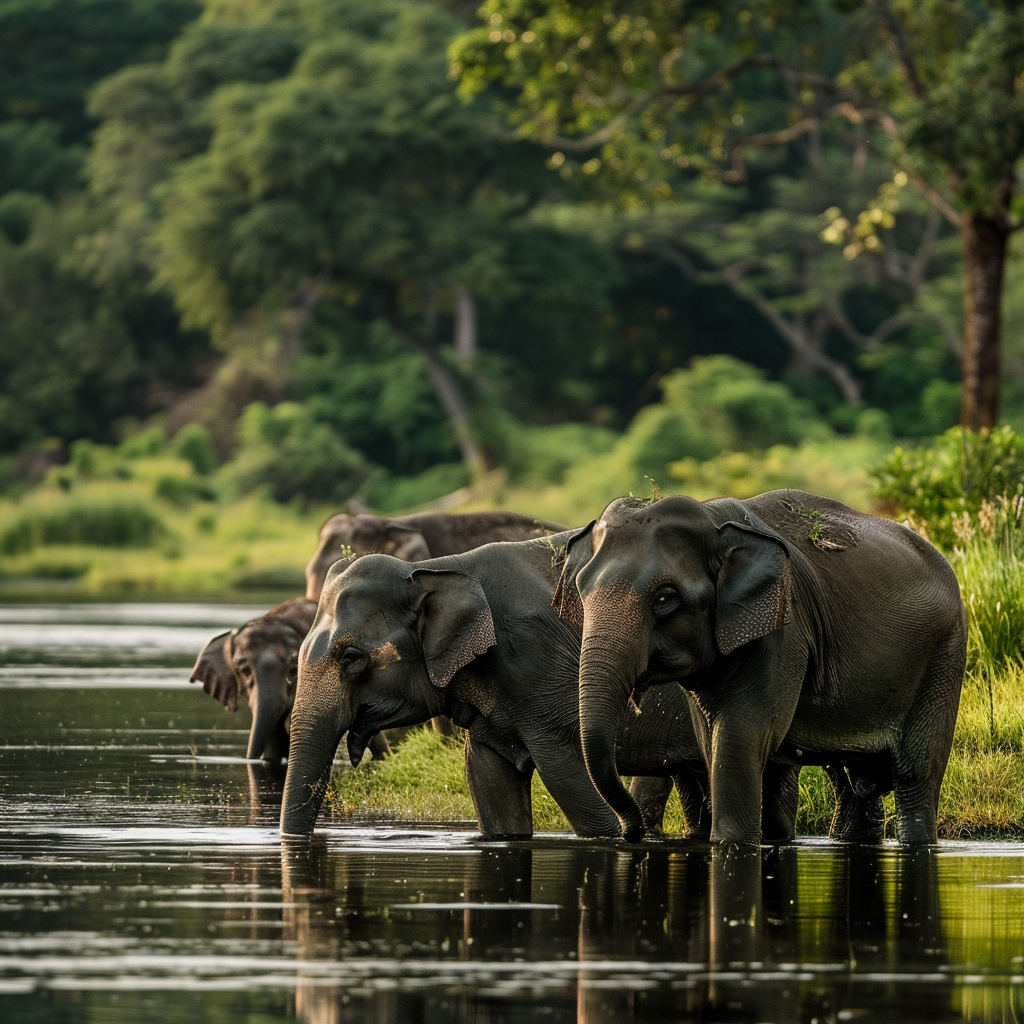
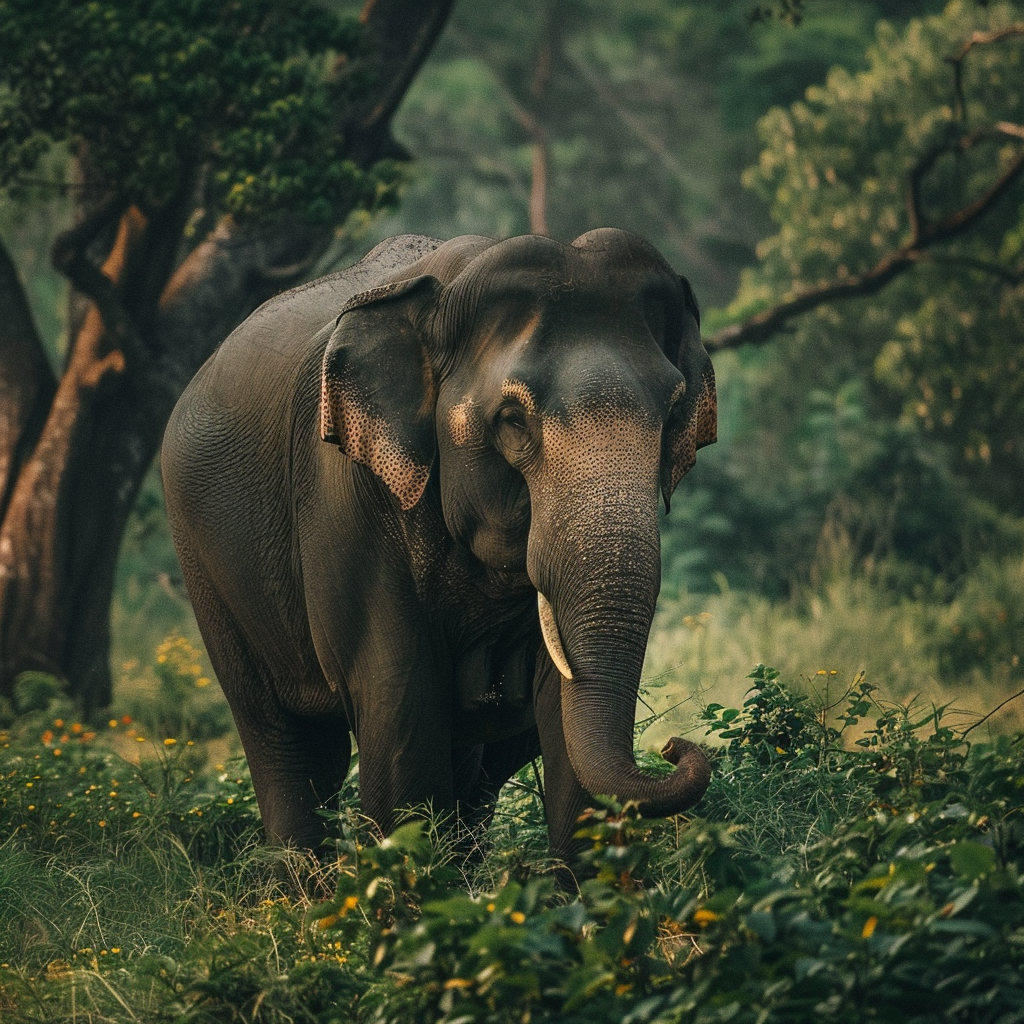
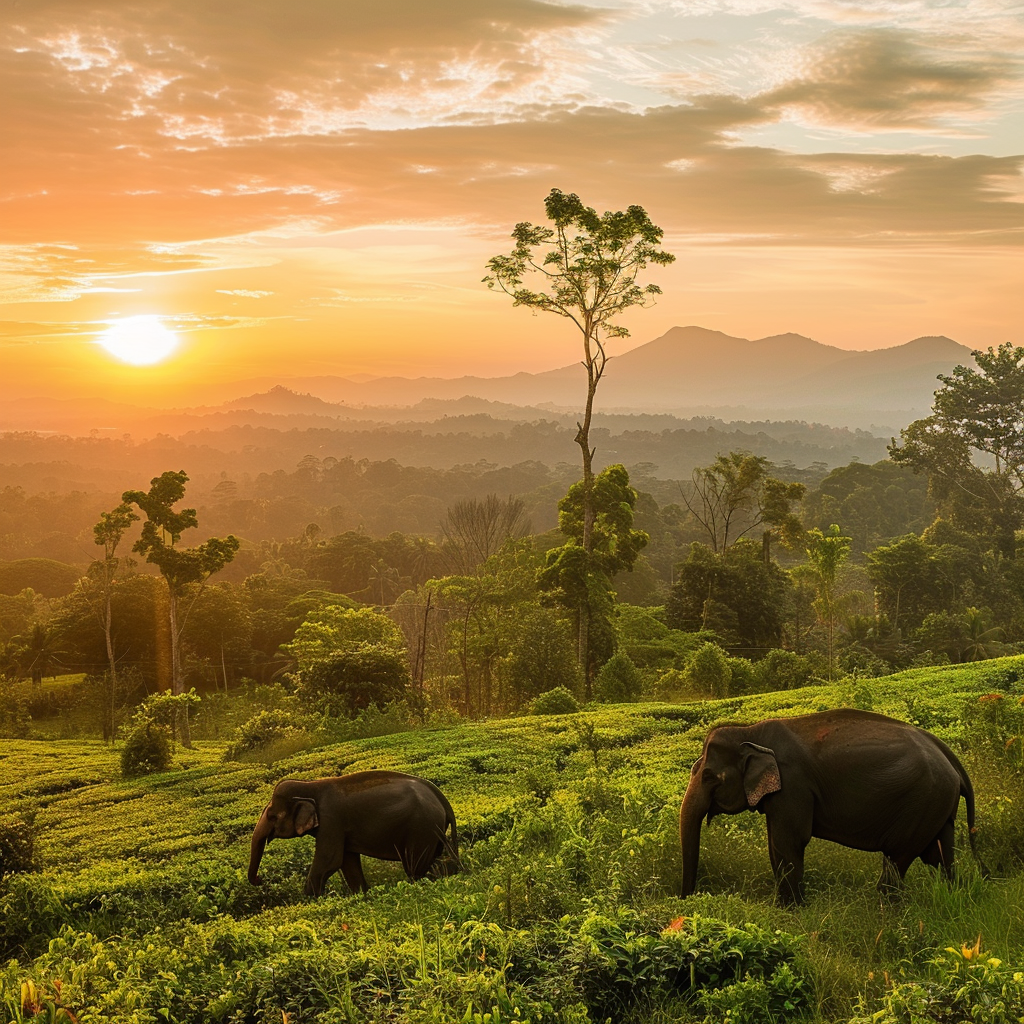
Sri Lanka is home to a wealth of wilderness reserves that protect its rich biodiversity, making the island a must-visit destination for wildlife enthusiasts and eco-tourists. From rainforests to savannah-like national parks, the country’s wilderness reserves offer unique experiences and unforgettable encounters with wildlife. Here’s a guide to some of the most famous wilderness reserves in Sri Lanka, their significance, and what to do and see as a tourist.
1. Yala National Park
Yala is arguably the most famous wilderness reserve in Sri Lanka, located in the southeast of the country. It’s renowned for its high density of leopards, making it one of the best places in the world to spot these elusive big cats.
- Importance: Yala is the second-largest national park in Sri Lanka and supports a wide range of ecosystems, from dry grasslands to wetlands. In addition to leopards, Yala is home to elephants, sloth bears, crocodiles, and over 200 species of birds.
- What to Do: Visitors can go on safari tours to spot the famous leopards and elephants. You can also explore the park’s lagoons and rivers, which are teeming with birdlife. For history buffs, Yala’s ancient Sithulpawwa Buddhist monastery offers an opportunity to blend nature and culture.
2. Wilpattu National Park
Wilpattu is the largest national park in Sri Lanka and one of the oldest, located on the island’s northwest coast. The park is unique due to its “villus” or natural lakes, which attract a diverse range of wildlife.
- Importance: Wilpattu is known for its healthy population of leopards and sloth bears. The park’s ecosystem is a mix of dry lowland forest and wetlands, offering a different experience compared to other parks.
- What to Do: Embark on a safari to see leopards, elephants, and water birds like pelicans and painted storks. The villus are ideal for birdwatching, and the tranquil atmosphere makes it a perfect place for wildlife photography.
3. Sinharaja Forest Reserve
Sinharaja is a UNESCO World Heritage Site and the last viable area of primary tropical rainforest in Sri Lanka. This dense jungle is a hotspot for biodiversity, with many endemic species of flora and fauna.
- Importance: Sinharaja is crucial for the conservation of Sri Lanka’s rainforest ecosystems. It is home to a large number of endemic species, including the Sri Lankan blue magpie, purple-faced langur, and a variety of frogs and insects.
- What to Do: Take guided treks through the forest to discover waterfalls, rare plants, and a rich array of wildlife. Sinharaja is a paradise for birdwatchers, with the opportunity to spot many endemic species. The dense forest also offers a peaceful escape into nature.
4. Udawalawe National Park
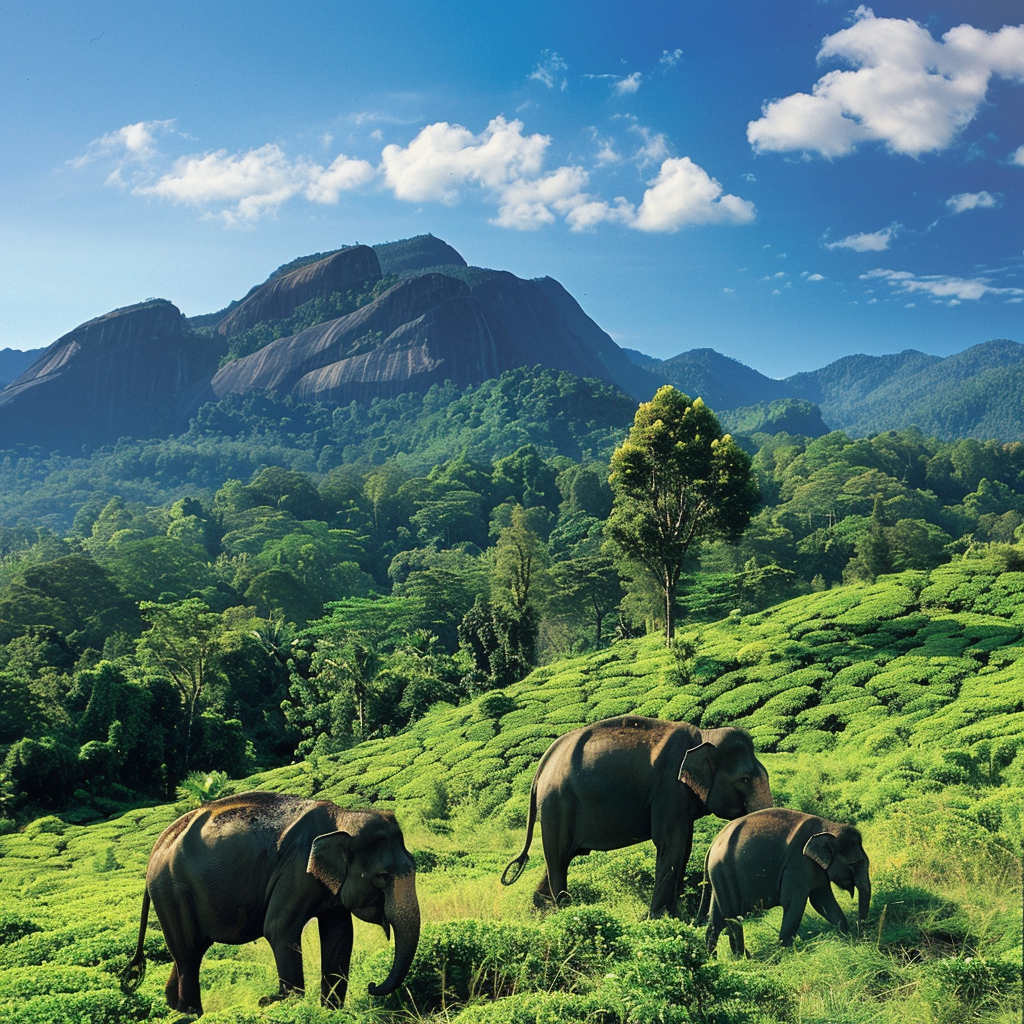
Udawalawe National Park is famous for its large population of Asian elephants and is considered one of the best places in Asia to see these gentle giants up close.
- Importance: The park’s open grasslands and forests create the perfect habitat for elephants, making it a vital sanctuary for these animals. It also supports a range of other species, including water buffalo, crocodiles, and a variety of birds.
- What to Do: Go on an elephant safari and marvel at herds of elephants in their natural habitat. Visit the Udawalawe Elephant Transit Home, a conservation project that rehabilitates orphaned elephants. Birdwatching is another popular activity, with species like the serpent eagle and kingfishers frequenting the park’s waterways.
5. Horton Plains National Park
Horton Plains is a plateau in the central highlands, known for its misty grasslands, cloud forests, and dramatic cliffs. The park is a UNESCO World Heritage Site and is the highest plateau in Sri Lanka.
- Importance: Horton Plains is home to some of Sri Lanka’s most spectacular landscapes, including World’s End, a sheer precipice with a 870-meter drop. The park is also a biodiversity hotspot, supporting species like the sambar deer and endemic flora.
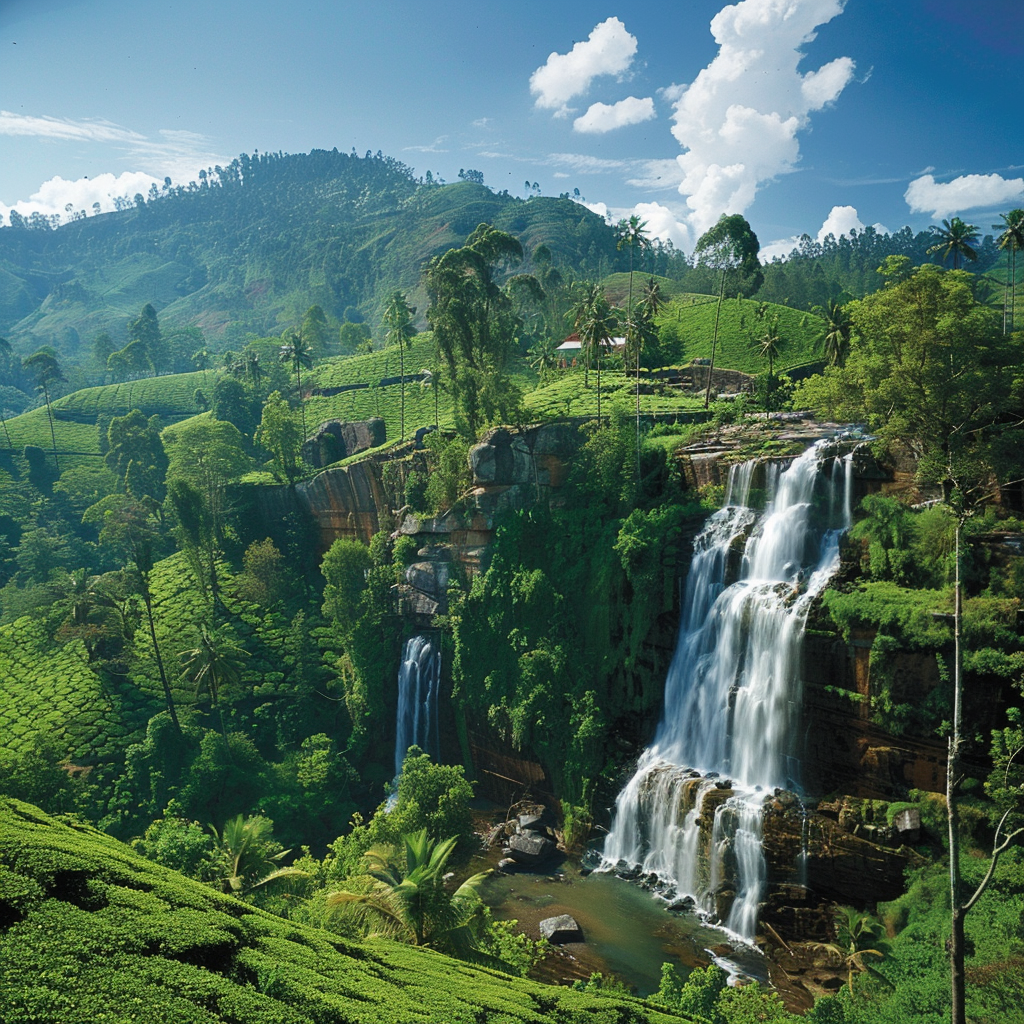
- What to Do: The trek to World’s End is one of the most popular activities in Horton Plains. You can also visit Baker’s Falls, a scenic waterfall nestled within the park. For wildlife enthusiasts, the park is excellent for spotting sambar deer and endemic birds like the Sri Lankan whistling thrush.
6. Bundala National Park
Bundala National Park, located in the southern part of Sri Lanka, is a wetland sanctuary recognized for its importance as a wintering ground for migratory birds, including the greater flamingo.
- Importance: Bundala is a Ramsar Wetland of International Importance and supports a wide range of bird species, both resident and migratory. It’s also home to crocodiles, elephants, and other wildlife, making it a rich yet underrated national park.
- What to Do: Birdwatchers can spot species like flamingos, pelicans, and storks. The park’s lagoons and salt pans also offer the chance to see crocodiles basking on the shores. For a unique experience, visit the park at dawn when the birdlife is most active.
7. Minneriya National Park
Located in the North Central Province, Minneriya is best known for “The Gathering,” one of the largest gatherings of Asian elephants in the world.
- Importance: The park revolves around the Minneriya Tank, an ancient irrigation reservoir that attracts herds of elephants during the dry season. The Gathering, which takes place from August to October, is a world-renowned wildlife event.
- What to Do: Take a safari during The Gathering to witness hundreds of elephants coming to the reservoir to bathe and graze. Minneriya is also home to a variety of other wildlife, including deer, macaques, and leopards.
8. Wasgamuwa National Park
Wasgamuwa National Park is one of the lesser-known reserves in Sri Lanka, located between the Matale and Polonnaruwa districts. It’s an excellent destination for those seeking a quieter, more off-the-beaten-path safari experience.
- Importance: Wasgamuwa is known for its elephant population and is one of the last refuges for these animals in the central region. It’s also rich in birdlife, making it a great destination for birdwatchers.
- What to Do: Go on a safari to spot elephants, sloth bears, and other wildlife. For bird lovers, Wasgamuwa offers a chance to see species like painted storks, junglefowl, and peafowls. The nearby Dambana Veddah village provides an opportunity to learn about Sri Lanka’s indigenous communities.
9. Kumana National Park
Kumana, located on the southeastern coast of Sri Lanka, is known for its diverse birdlife, particularly its large populations of migratory birds. It is often considered an extension of Yala National Park.
- Importance: Kumana’s wetlands and lagoons serve as critical nesting and breeding grounds for numerous bird species, including herons, egrets, and spoonbills. The park also shelters elephants and leopards, though it is most famous for its birds.
- What to Do: Birdwatching is the primary activity at Kumana, with highlights including the chance to see rare species like the black-necked stork. Visitors can also go on safari tours to spot elephants and other wildlife in this serene and less-visited park.
10. Gal Oya National Park
Gal Oya National Park is a hidden gem located in the eastern part of Sri Lanka. It’s unique because it is the only park in Sri Lanka that offers boat safaris, allowing visitors to explore the wilderness by water.
- Importance: The park surrounds the Senanayake Samudraya reservoir, the largest body of water in Sri Lanka, and is home to elephants, leopards, and a wide variety of bird species.
- What to Do: Take a boat safari across the reservoir to see elephants swimming between islands. The park also offers traditional jeep safaris and trekking opportunities through lush forests. For a cultural experience, visit the Vedda people, the indigenous community of Sri Lanka, who live in the nearby forest.